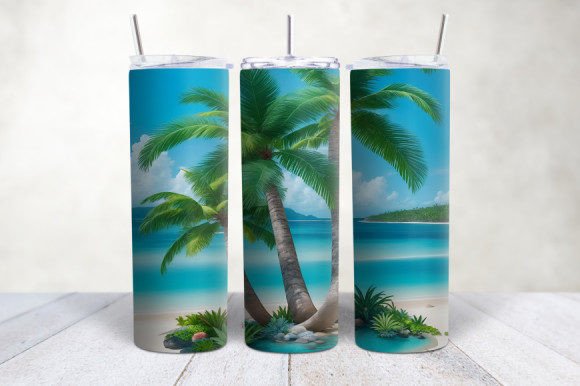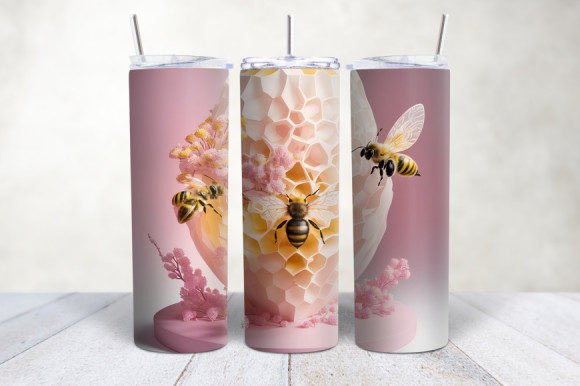
Evaluating the 3D Embroidered Butterfly Tumbler Wrap for Sublimation Projects
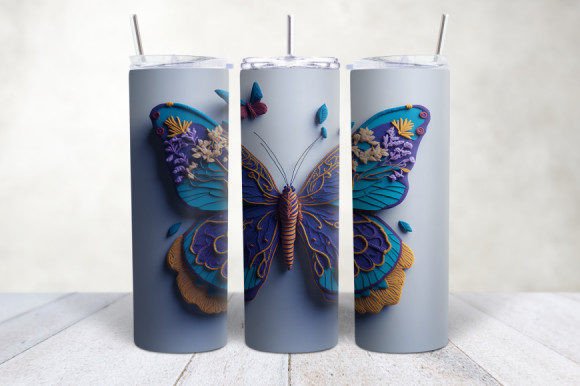
The market for tumbler sublimation has shifted significantly in recent years, moving away from flat, two-dimensional patterns toward designs that simulate texture and depth. The 3D Embroidered Butterfly Tumbler Wrap represents this specific niche within digital asset creation. Unlike standard vector art or raster illustrations, this design category focuses on replicating the tactile appearance of thread work through high-resolution printing. For creators and small business owners utilizing 20 oz skinny tumblers, understanding the technical specifications and practical application of this digital download is essential for maintaining product quality and managing customer expectations regarding the final physical output.
Technical Specifications and File Integrity
When evaluating any digital asset for commercial production, file integrity is the primary metric of success. This specific 3D Embroidered Butterfly Tumbler Wrap is provided as a single PNG file with dimensions of 9.3 inches by 8.2 inches at 300 DPI. These specifications are critical for the sublimation process. The 300 DPI resolution ensures that the intricate details mimicking embroidery stitches remain crisp after heat transfer. Lower resolution files often result in pixelation or blurring when wrapped around a curved surface, destroying the illusion of three-dimensional texture.
The 9.3 x 8.2 inch aspect ratio is optimized specifically for the 20 oz skinny tumbler form factor. However, professionals should note that while the file can be resized, doing so requires careful consideration. Scaling up beyond the native dimensions risks degrading the perceived stitch definition, while scaling down may result in unused white space or require tiling. The inclusion of a high-resolution PNG rather than a vector format is appropriate here; true embroidery simulation relies on rasterized shading and shadow effects that vectors cannot easily replicate without massive file sizes. Users must ensure their RIP software or printer settings are calibrated to handle this density of color information without banding.
The Visual Mechanics of Simulated Texture
The core value proposition of this design lies in its ability to create visual depth on a smooth substrate. Real embroidery is impossible on coated stainless steel tumblers intended for drinkware use. Therefore, the 3D Embroidered Butterfly Tumbler Wrap relies entirely on optical illusions created through digital shading. Effective designs in this category utilize drop shadows, highlights, and directional color gradients to trick the eye into perceiving raised surfaces.
In practical application, the effectiveness of this simulation depends heavily on the base color of the tumbler. White or light-colored polymer-coated blanks provide the necessary contrast for the simulated shadows to register correctly. On darker tumblers, the subtle shading that creates the "3D" effect may be lost unless the design includes an integrated background layer. Creators should test print a strip of the design before committing to a full production run to verify that the embroidered effect translates accurately through their specific ink and paper combination. The goal is to produce a finish that looks textured from a conversational distance, even if it feels smooth to the touch.
Workflow Integration and Production Efficiency
For entrepreneurs and makers, time is a tangible cost. Instant digital downloads streamline the pre-production phase by eliminating shipping wait times associated with physical transfers or pre-printed wraps. Receiving the file immediately upon purchase allows for rapid prototyping and same-day fulfillment capabilities. This agility is particularly valuable for businesses responding to trending aesthetics or seasonal demands where butterfly motifs see peak interest.
The single-file delivery method also simplifies asset management. Rather than juggling multiple layers or complex PSD files, the ready-to-print PNG integrates directly into most sublimation workflows. This plug-and-play efficiency reduces the barrier to entry for newer creators while allowing established shops to maintain high throughput. However, users should organize these digital assets systematically. Because the file is a standalone download, losing access to the original email or account could mean losing the asset. Professional best practice dictates backing up all purchased digital designs to local storage or cloud drives immediately after acquisition.
Commercial Viability and Audience Alignment
Understanding who benefits most from this specific asset helps determine its return on investment. The 3D Embroidered Butterfly Tumbler Wrap appeals primarily to three distinct groups: custom drinkware vendors, craft fair exhibitors, and digital design resellers creating mockups.
- Custom Drinkware Vendors: For sellers on platforms like Etsy or Shopify, this design offers a premium aesthetic at a low overhead cost. The embroidered look justifies a higher price point compared to basic text or simple graphic wraps because it implies craftsmanship and complexity.
- Craft Fair Exhibitors: In-person sales rely on visual impact. Designs with simulated texture stand out in crowded vendor halls where flat graphics can appear washed out under harsh lighting. The dimensional quality draws attention and encourages closer inspection.
- Content Creators and Educators: Those teaching sublimation techniques can use this file to demonstrate color management, alignment, and the importance of DPI in texture reproduction. It serves as an excellent teaching tool for explaining how digital art translates to physical media.
Conversely, this asset may not suit those seeking minimalist, flat-design aesthetics or producers working exclusively with dark-mode substrates without additional editing capabilities. It is a specialized tool for a specific visual style.
Practical Limitations and Quality Control
While the 3D Embroidered Butterfly Tumbler Wrap offers significant advantages, objective evaluation requires acknowledging limitations. The most common point of failure in using simulated texture designs is misalignment during pressing. Because the design relies on precise shading to create depth, even minor shifting during the heat press process can distort the image, making the "embroidery" look smeared rather than stitched. Using alignment guides and secure heat-resistant tape is non-negotiable.
Additionally, color variance remains a variable. Screen calibration differs from printer output. The vibrant threads depicted on a monitor may print differently depending on ICC profiles and ink age. Professionals should always perform test prints on scrap material. Furthermore, while the design is versatile for cards, banners, and web backgrounds as noted in the product details, its primary engineering is for cylindrical wrapping. Using it for flat stationery may require cropping or re-composition to avoid awkward negative space originally intended for the tumbler’s curvature.
Maximizing Long-Term Value
To extract maximum value from this digital purchase, users should view it as a foundational element rather than a finished product. Experienced sublimation artists often layer additional elements over base wraps. Adding personalized names, monograms, or complementary floral accents can transform the generic 3D Embroidered Butterfly Tumbler Wrap into a unique SKU. This customization prevents market saturation and allows sellers to offer bespoke products using efficient base assets.
Storage and licensing compliance also contribute to long-term value. Ensuring the file remains accessible and adhering to the terms of use protects the business from legal issues and operational downtime. While the immediate utility is clear, the strategic application of this asset determines its true worth in a competitive marketplace. By focusing on technical precision, understanding the visual mechanics of simulated texture, and integrating the file efficiently into production workflows, creators can leverage this digital download to produce professional-grade merchandise that meets current consumer preferences for tactile-appeal aesthetics.