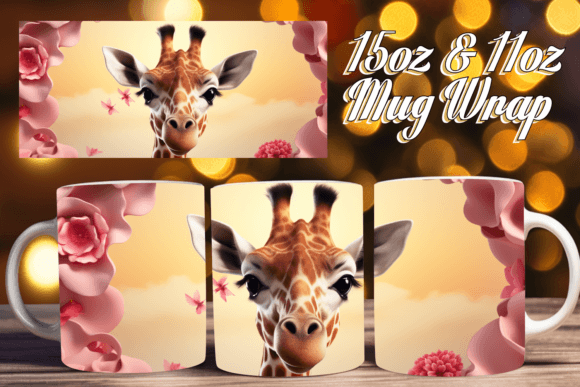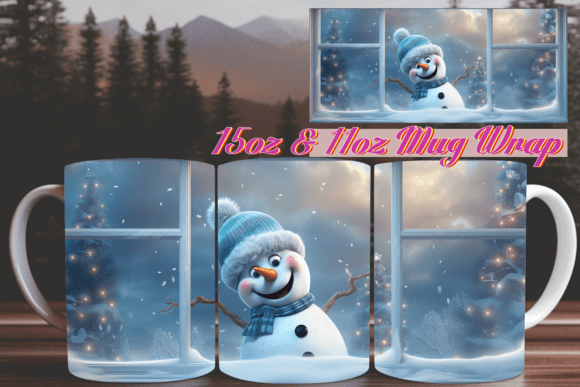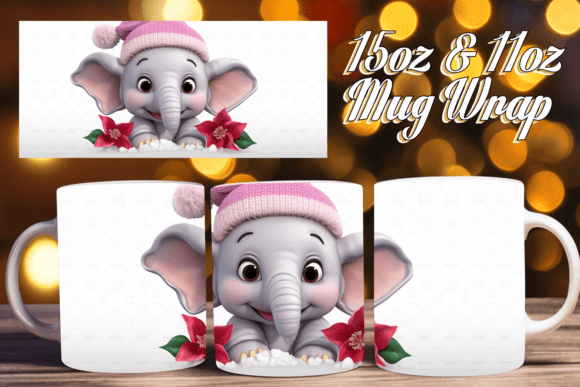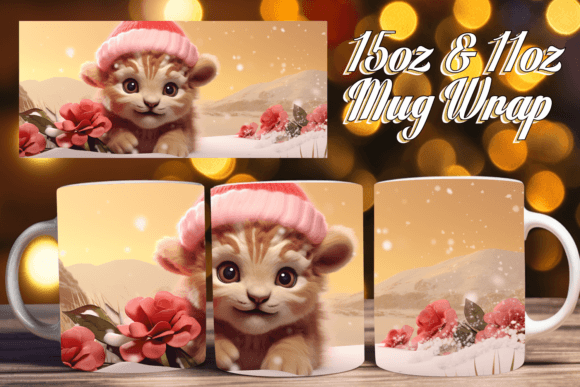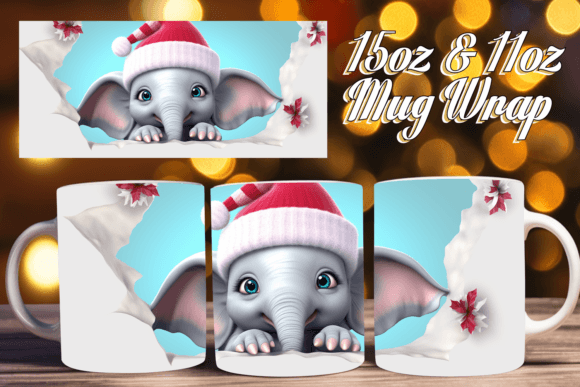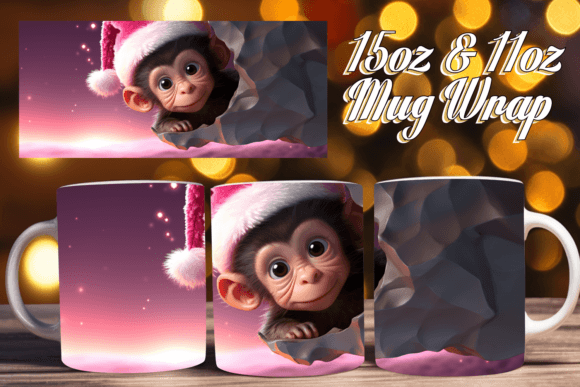
3D Gingerbread Joy Mug Wrap 11oz: Evaluation and Usage Guide
The 3D Gingerbread Joy Mug Wrap 11oz is a specialized digital asset designed for sublimation printing on ceramic drinkware. Unlike standard two-dimensional designs that sit flat against the surface, this file utilizes shading, perspective, and lighting effects to create an optical illusion of depth. When applied correctly to a curved substrate, the design mimics three-dimensional textures and structures associated with holiday baking and gingerbread architecture. This product serves as a template for creators looking to produce seasonal merchandise without the need for complex 3D modeling software or physical props.
Evaluating this digital wrap requires understanding both its aesthetic application and its technical prerequisites. It is positioned as a high-resolution resource for users who already possess the necessary hardware and software infrastructure. The following analysis explores the functional benefits, technical tradeoffs, and decision-making factors relevant to integrating this specific asset into a sublimation workflow.
Understanding the Visual Concept and Application
The primary value proposition of the 3D Gingerbread Joy Mug Wrap lies in its visual impact. Traditional sublimation prints can sometimes appear flat or lack tactile engagement. This design addresses that limitation by simulating texture through digital artistry. For end-users and customers, the mug appears to have raised icing, recessed cookie textures, or dimensional architectural elements, even though the physical surface remains smooth. This effect relies heavily on precise color gradients and shadow placement within the PNG file.
For creators, this asset functions as a time-saving mechanism. Developing a convincing 3D render that wraps seamlessly around a cylindrical object requires significant graphic design expertise and rendering time. By utilizing a pre-made template sized specifically for 11oz and 15oz mugs, makers can bypass the design phase and focus on production and customization. The inclusion of two optimized PNG files allows for flexibility across different mug sizes, ensuring the aspect ratio remains correct regardless of the vessel chosen.
Technical Prerequisites and User Responsibility
A critical consideration before acquiring the 3D Gingerbread Joy Mug Wrap 11oz is the requirement for self-sufficiency regarding technical execution. The product description explicitly states that support is limited exclusively to issues related to the digital files themselves. Guidance on sublimation processes, printer settings, heat press temperatures, or software manipulation is not included. This distinction is vital for prospective buyers to understand.
This support structure indicates that the asset is targeted at intermediate to advanced users who have already established a working sublimation environment. Individuals new to dye-sublimation printing may find the learning curve steep if they rely solely on this purchase to begin their journey. Necessary equipment includes a sublimation printer with compatible inks, sublimation paper, a mug press or convection oven, and raster graphics software capable of handling 300 DPI PNG files. Without these components, the digital file has no practical utility.
Benefits of High-Resolution Digital Assets
The technical specification of 300 DPI (dots per inch) is a significant benefit for print quality. Sublimation printing transfers ink directly into the polymer coating of the mug, meaning any pixelation or low-resolution artifacts in the source file will be permanently transferred to the final product. A 300 DPI resolution ensures that the intricate details of the gingerbread texture remain crisp and defined after the heating process.
Furthermore, the PNG format offers transparency and lossless compression, which facilitates easier customization. Users can overlay text, logos, or additional graphical elements without degrading the background image quality. This interoperability makes the 3D Gingerbread Joy Mug Wrap suitable for personalized gifts, small business holiday inventory, or craft fair items where unique variations are necessary. The ability to customize while maintaining a professional base layer enhances the perceived value of the finished good.
Tradeoffs and Limitations
While the 3D effect is visually striking, it introduces specific production challenges. Optical illusions depend on consistent alignment. If the wrap is not centered perfectly during the pressing stage, the simulated shadows and highlights may misalign with the viewer’s perspective, breaking the 3D illusion. This requires a higher degree of precision during application compared to standard repeating patterns or flat typography.
Additionally, color management plays a pivotal role. The depth effect often relies on subtle tonal shifts. Variations in printer profiles, ink brands, or substrate coatings can alter how these tones reproduce. A design that looks dimensional on a calibrated monitor may print too dark or too light, flattening the intended effect. Users must be prepared to perform test prints and adjust their color profiles to maintain the integrity of the 3D aesthetic. This trial-and-error process consumes materials and time, representing an operational cost beyond the initial file purchase.
Situational Fit: When to Choose This Asset
The 3D Gingerbread Joy Mug Wrap 11oz is a strong fit for specific scenarios. It is ideal for established sublimation businesses seeking to expand their holiday catalog quickly without hiring a 3D artist. It is also appropriate for hobbyists with existing equipment who want to experiment with textured designs but lack advanced rendering skills. The dual-size compatibility (11oz and 15oz) adds versatility for sellers offering multiple product variants from a single purchase.
Conversely, alternatives may be worth considering in other contexts. Beginners without access to sublimation equipment should prioritize educational resources or starter kits over standalone digital assets. Those requiring commercial exclusivity or trademarkable branding might prefer commissioning custom artwork to avoid potential similarities with other users of the same template. Additionally, if a creator prefers a minimalist or flat-design aesthetic, the complexity of a faux-3D wrap may not align with their brand identity or customer preferences.
Practical Decision-Making Insights
When evaluating whether this digital wrap aligns with current goals, consider the balance between convenience and control. Pre-made templates offer immediate access to complex visuals, but they limit originality. Assess whether the time saved in design justifies the use of a non-exclusive asset. Review your current workflow to ensure you can handle the alignment sensitivity required for 3D-style wraps. Verify that your software supports high-resolution PNG editing and that your output devices are calibrated for accurate color reproduction.
Finally, factor in the support boundary. Since assistance is restricted to file integrity, ensure you have alternative resources for troubleshooting printing issues. Community forums, manufacturer documentation, and general sublimation tutorials become essential supplements to this product. By confirming technical readiness and aligning expectations with the product's scope, users can effectively leverage the 3D Gingerbread Joy Mug Wrap to enhance their seasonal offerings while minimizing production friction.