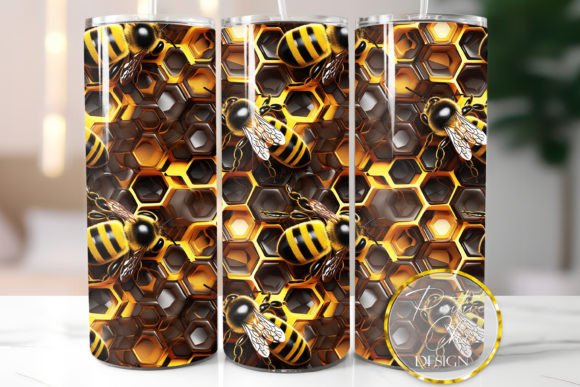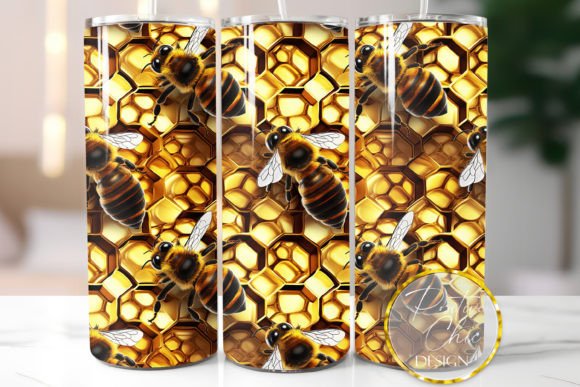
3D Bees Tumbler Wrap Sublimation Design: Strategic Application for Custom Drinkware Production
The 3D Bees Tumbler Wrap Sublimation Design represents more than a seasonal aesthetic; it is a functional asset for creators and small business owners focused on high-quality drinkware customization. When utilizing this 20 OZ Skinny Tumbler Wrap Sublimation Design PNG instant digital download, the primary objective should be integrating a visually complex, depth-oriented graphic into a streamlined production workflow. This specific file format serves as a bridge between creative intent and manufacturing reality, offering a pre-configured solution that balances artistic detail with technical print requirements. For entrepreneurs and hobbyists alike, understanding the strategic value of this digital asset involves looking beyond the image itself to consider how it fits into broader operational goals, inventory planning, and brand positioning.
Evaluating Technical Specifications for Production Consistency
Successful sublimation relies heavily on the alignment between digital assets and physical substrates. This design is provided as a single instant digital download PNG file at 300 DPI, measuring approximately 9.3 x 8.2 inches. From a planning perspective, these specifications are intentional rather than arbitrary. The resolution ensures that the intricate details characteristic of 3D bee imagery remain crisp after heat transfer, preventing the pixelation that often devalues custom merchandise. However, the sizing strategy requires deliberate attention. The file is created slightly larger than standard 20oz skinny straight tumbler dimensions. This overage is a critical feature for professional results, as it accounts for the manufacturing variances found across different tumbler brands.
Relying on exact-fit templates can lead to misalignment when switching suppliers or stocking multiple blank types. By utilizing a design sized with a safety margin, you retain the flexibility to resize and crop according to your specific inventory without losing edge-to-edge coverage. This approach supports long-term operational agility, allowing you to adapt to supply chain changes without redesigning products. It is important to note that no SVG files are included with this purchase. This distinction defines the asset’s role in your workflow: it is strictly a raster-based sublimation tool, not a vector cut file. Recognizing this limitation early prevents wasted time attempting to manipulate the file in incompatible environments and ensures resources are allocated toward appropriate editing software.
Software Compatibility and Workflow Integration
A common point of failure in digital product creation is software mismatch. This 3D Bees Tumbler Wrap Sublimation Design is engineered specifically for sublimation printing workflows, not vinyl cutting or layered assembly. Users must avoid importing this PNG into cutting software like Cricut Design Space or Silhouette Studio for printing purposes. These platforms are optimized for vector paths and cut lines, often compressing raster images or altering color profiles in ways that compromise sublimation quality. Treating this file as a cut design will result in poor output and potential material waste.
For optimal results, integrate this asset into a raster-friendly ecosystem. If you lack specialized sublimation RIP (Raster Image Processor) software, accessible alternatives such as Paint, Canva, or Inkscape provide sufficient control for resizing and positioning. These platforms respect the integrity of the 300 DPI PNG structure while allowing for necessary adjustments. When planning your production schedule, factor in the learning curve associated with these tools if they are new to your process. Efficient use of this design depends on establishing a repeatable template within your chosen software, ensuring that every subsequent print maintains consistent placement and scale. This standardization reduces setup time per unit and minimizes human error during high-volume production runs.
Strategic Brand Positioning and Market Relevance
Incorporating nature-inspired motifs like 3D bees into your product line requires thoughtful market positioning. Bee imagery carries strong semantic associations with sustainability, pollination, gardening, and environmental stewardship. When deploying this design, consider how these themes align with your target demographic’s values. For educators, this wrap might serve as an engaging teaching aid for biology or environmental science units. For small business owners in the home decor or gift sector, it taps into the enduring popularity of cottagecore and eco-conscious aesthetics. The "3D" aspect adds a layer of perceived value, distinguishing the product from flat, generic clip art through visual depth and texture simulation.
However, strategic use also means recognizing seasonality and trend cycles. While bee designs have perennial appeal, demand often peaks during spring and summer months. Planning your production calendar around these peaks allows you to maximize return on investment. Use this design as part of a cohesive collection rather than a standalone item. Pairing it with complementary floral or honeycomb patterns can increase average order value through bundling. Additionally, because colors vary significantly based on individual printer calibration, ink formulations, and substrate coatings, creating physical samples before launching is non-negotiable. These samples serve as your quality benchmark and marketing photography assets, ensuring customer expectations match the tangible product. Relying solely on screen previews introduces risk, as monitor calibration rarely matches CMYK sublimation output perfectly.
Risk Management and Operational Realities
Digital assets offer low overhead but introduce specific risks regarding intellectual property and technical execution. Due to the nature of instant digital downloads, no refunds are provided for this file. This policy underscores the importance of pre-purchase due diligence. Before acquiring this 3D Bees Tumbler Wrap Sublimation Design, verify that your equipment meets the technical requirements for sublimation. This process demands specialized printers, sublimation ink, and polymer-coated substrates; standard inkjet setups cannot produce viable results. Attempting to use this file without proper infrastructure leads to sunk costs and frustration.
Furthermore, understand the licensing scope implied by personal or commercial use terms typically associated with such downloads. While this asset enables product creation, it does not grant ownership of the underlying artwork. Reselling the digital file itself or claiming the design as original intellectual property violates ethical and legal standards. Responsible creators use this PNG as a component of a finished good, adding value through craftsmanship and curation. From a customer experience standpoint, transparency about color variation is essential. Including disclaimers in product listings regarding monitor-to-print differences manages buyer expectations and reduces post-sale support tickets. Proactive communication builds trust and reinforces professional credibility.
Optimizing Long-Term Value Through Intentional Use
To extract maximum value from this 20 OZ Skinny Tumbler Wrap Sublimation Design PNG, move beyond reactive crafting toward proactive product development. Document your resizing parameters for each tumbler brand you stock. Creating a reference chart that maps the 9.3 x 8.2 inch source file to specific blank measurements transforms a one-time adjustment into a permanent operational asset. This documentation accelerates future production and facilitates training if you scale your team. Consider testing the design on various substrate colors and finishes. While white tumblers are standard, metallic or pearlescent blanks interact differently with sublimation dyes, potentially enhancing the 3D effect of the bee motif. Such experimentation can uncover unique product variations that differentiate your offerings in a saturated market.
Finally, treat this design as a data point in your broader business analytics. Track sales performance, customer feedback, and production yield rates specifically for items featuring this wrap. Does it outperform other nature-themed designs? Do certain demographics respond more strongly? Analyzing these metrics informs future purchasing decisions and design direction. Rather than viewing digital downloads as disposable commodities, integrate them into a feedback loop that continuously refines your product strategy. This analytical approach separates sustainable businesses from casual hobbyists, turning individual creative assets into pillars of long-term growth. Remember that if issues arise or clarification is needed regarding file usage, contacting the seller directly is the recommended course of action. Maintaining open lines of communication with digital asset providers ensures you resolve technical ambiguities quickly, keeping your production line moving efficiently and your creative vision intact.